
How to Choose the Right Essential Oils?
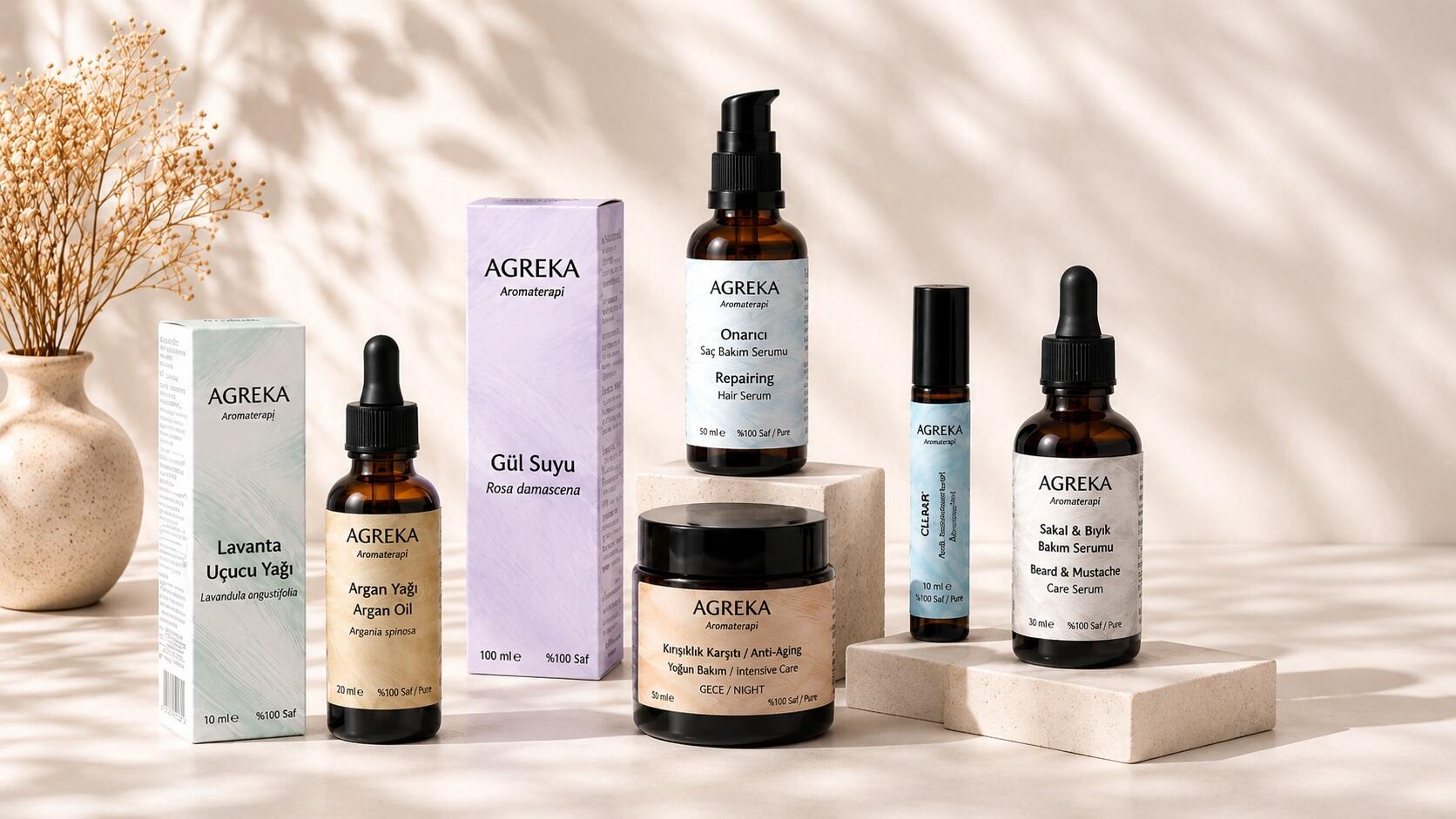
What You Need to Know About Selecting High-Quality and Safe Essential Oils
Plant oils—especially essential oils and aromatherapy products—can support health and enhance quality of life when chosen correctly. However, the quality, purity, and chemical composition of essential oils available on the market can vary significantly. For this reason, knowing how to choose the right essential oil is essential for anyone interested in aromatherapy.
To identify high-quality essential oils, it is important to consider the following key criteria.
Purity: How Can You Tell If an Essential Oil Is Genuine?
Purity is one of the most important factors when selecting an essential oil. A high-quality essential oil:
· Contains no additives
· Is not diluted with synthetic fragrances or artificial aromas
· Contains only the natural aromatic compounds obtained from the plant
The label of a genuine and pure essential oil should always include the botanical (Latin) name of the plant. For example, instead of simply stating “Lavender Oil,” the label should specify:
· Lavandula angustifolia
This information is essential for identifying the exact plant species and understanding its therapeutic properties.
👉 Tip: Terms such as “natural,” “organic,” or “aromatic” alone are not enough. If the botanical name is missing, the product’s authenticity should be questioned.
Quality: Why Is the Extraction Method Important?
The quality of an essential oil largely depends on the extraction method used. High-quality essential oils are obtained using techniques that preserve the plant’s natural chemical composition as much as possible.
The primary extraction methods preferred in aromatherapy include:
✔ Steam Distillation
Most essential oils are produced using steam distillation. This method gently separates the aromatic compounds without excessively exposing them to heat, helping preserve the oil’s therapeutic value.
✔ Cold Press Extraction
This method is primarily used for citrus peel essential oils. It involves mechanical extraction without chemical solvents, preserving the oil’s natural composition.
❌ Solvent-Extracted or Refined Oils
Oils extracted using chemical solvents or refined through industrial processes are generally not suitable for aromatherapy, and therapeutic benefits should not be expected.
Reputation: How to Choose a Trustworthy Essential Oil Brand
When selecting an essential oil, it is important to evaluate not only the product itself but also the credibility of the brand. A reliable essential oil brand should:
· Be transparent about its sourcing and production processes
· Hold relevant quality certifications
· Support its products with analytical reports such as GC/MS testing
· Clearly disclose the chemical profile and origin of each essential oil
GC/MS (Gas Chromatography–Mass Spectrometry) analysis identifies the individual components and their concentrations within an essential oil, helping verify its purity, authenticity, and quality. Brands that openly provide these reports demonstrate a strong commitment to transparency and product excellence.
Why Are Label Details So Important?
A high-quality essential oil label should include the following information:
· Botanical (Latin) name
· Plant part used (flower, leaf, bark, peel, etc.)
· Extraction method
· Country of origin
· Safety warnings and usage instructions
These details are essential for informed purchasing decisions and the safe use of essential oils in aromatherapy.
Choosing Essential Oils Requires Knowledge and Care
Essential oils deliver their greatest benefits only when they are selected with care and informed understanding. Purity, quality, and brand reputation are the foundation of safe and effective aromatherapy.
When choosing aromatherapy products, look beyond fragrance and price. Give priority to brands that demonstrate scientific integrity, transparency, and ethical production practices.
Remember, aromatherapy is the art of building a mindful relationship with nature—and every meaningful journey begins with the right raw materials.

Patchouli Essential Oil (Pogostemon cablin)

Eucalyptus Essential Oil (Eucalyptus globulus)

Niaouli Essential Oil (Melaleuca quinquenervia)

Myrtle Leaf Essential Oil (Myrtus communis)

Lemon Essential Oil (Citrus limon)

