
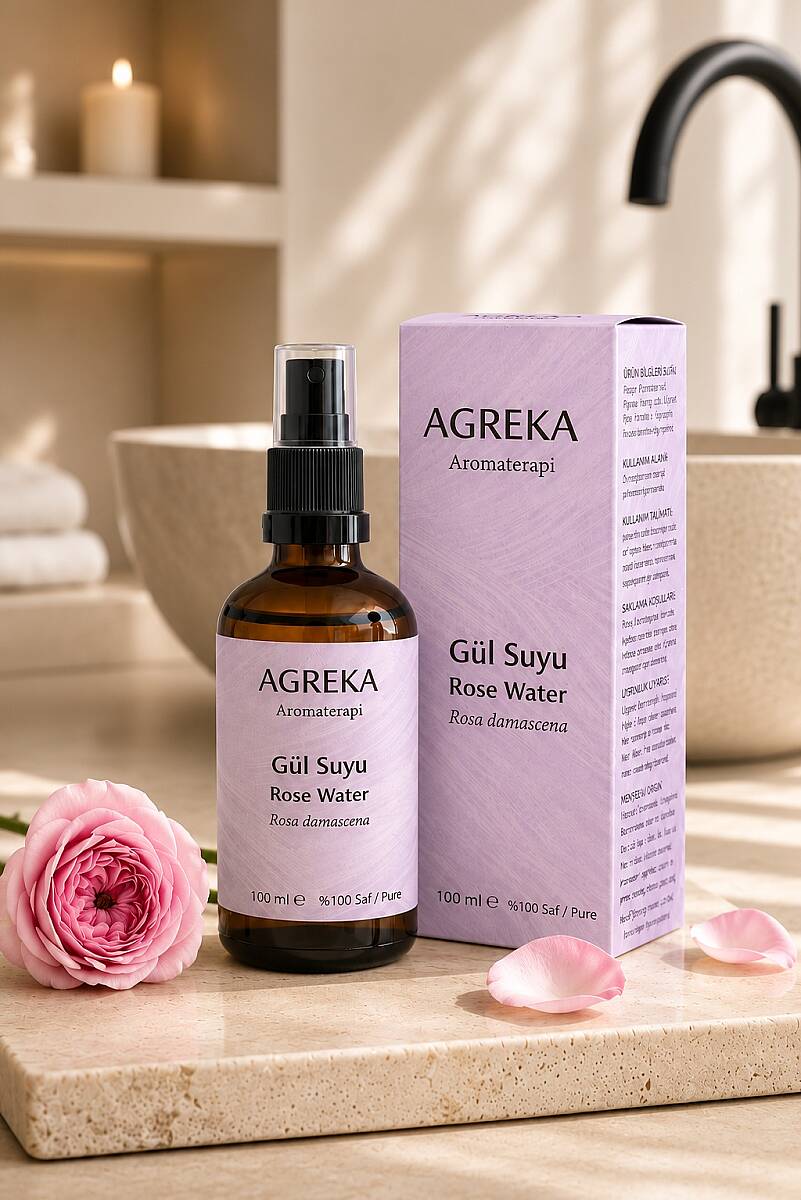
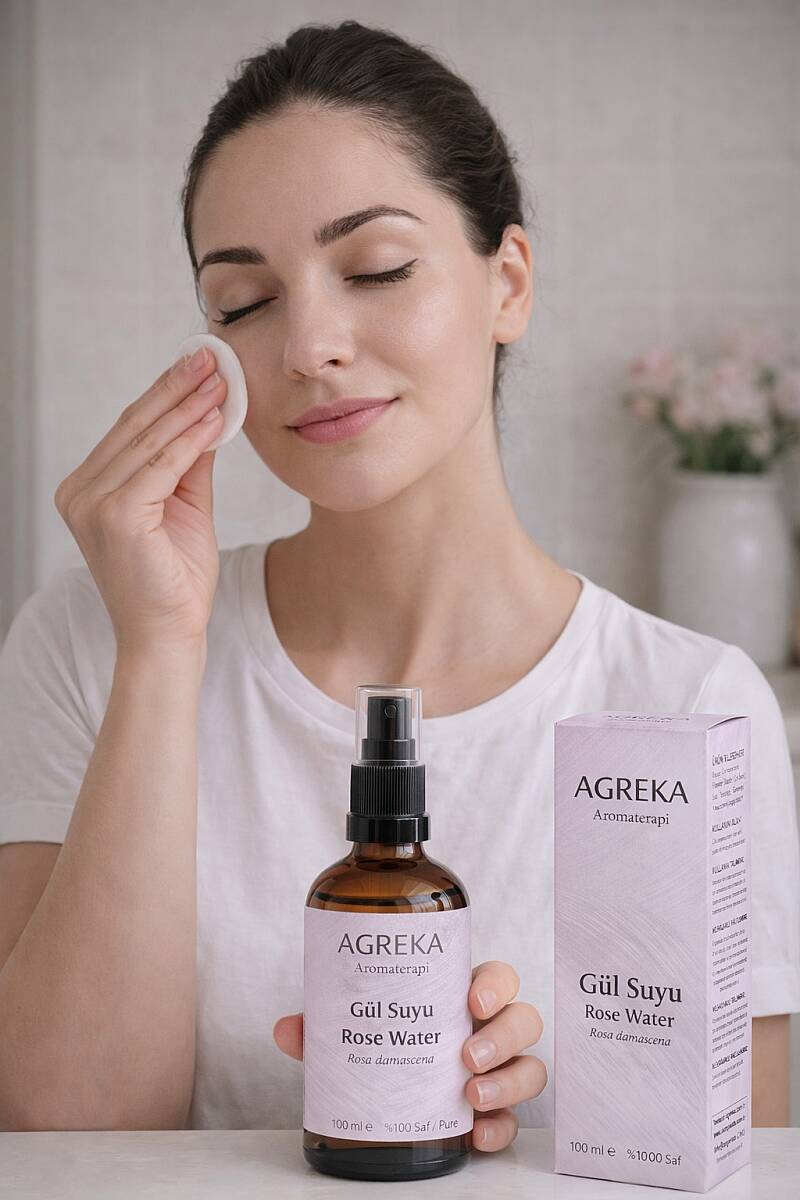


Rose Water 100 ml
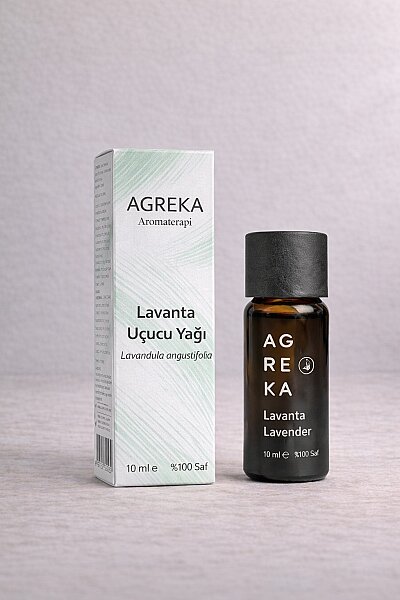

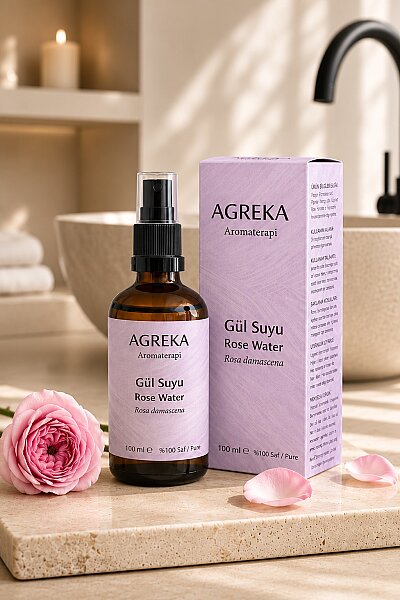
Rose Water (Rosa damascena) is a natural hydrosol obtained during the steam distillation of rose flowers. Widely used as a facial toner, it is valued for its refreshing, soothing, and balancing properties.
Rose Water is produced through the steam distillation of rose flowers. Its naturally occurring phenolic compounds and aromatic molecules contribute to its beneficial properties for skin care.
Agreka Rose Water is 100% pure and contains no alcohol, preservatives, or additives.
Botanical Information
Ingredients: Rosa Damascena Flower Water (Rose Water)
Botanical (Latin) Name: Rosa damascena
Origin: Türkiye
Extraction Method: Steam Distillation
Plant Part Used: Flower
Color: Colorless and clear
Texture: Lightweight, water-based
pH: Slightly acidic (skin-friendly)
Suitable Skin Types: All skin types
Product Information
Who Can Use It?
Suitable for all age groups.
Intended Uses / Product Benefits
1. Supports Sensitive Skin
With its gentle nature, Rose Water helps soothe skin prone to sensitivity, redness, and reactivity, leaving it feeling calm and refreshed.
2. Cleanses and Tones the Skin
Rose Water is a natural hydrosol commonly used as a facial toner. Thanks to its skin-friendly pH, it helps leave the skin feeling fresh, clean, and comfortably balanced.
3. Helps Refine the Appearance of Pores
Its naturally astringent properties help improve the appearance of enlarged pores while promoting a smoother-looking complexion.
4. Supports Emotional Well-Being
Traditionally valued in aromatherapy, the delicate floral aroma of Rose Water may help promote a sense of emotional balance, relaxation, and well-being. When feeling emotionally overwhelmed or grieving, it can be gently inhaled or used as a room spray to create a comforting atmosphere.
CLICK HERE TO READ OUR BLOG ARTICLE
Directions for Use
1) As a Facial Toner
Apply to clean skin using a cotton pad or spray directly onto the face. Suitable for morning and evening use as part of your daily skincare routine.
2) Refreshing Facial Mist
Spray directly onto the face whenever your skin needs a refreshing boost throughout the day.
Safety Information
Legal Disclaimer
In compliance with applicable laws and advertising regulations, we do not promote herbal wellness products by referring to specific diseases or therapeutic indications.
Our products are not medicines; they are herbal wellness products. They are not intended to diagnose, treat, cure, or prevent any disease. The benefits mentioned are based on academic research regarding the individual ingredients.
Storage Conditions
Store tightly closed in a cool, dry place, out of the reach of children and protected from direct sunlight.
Safety & Warnings
- Avoid contact with the eyes. If contact occurs, rinse thoroughly with plenty of water.
- Do not use if you have a known allergy to any of the ingredients.
- A patch test is recommended before first use, especially for sensitive skin.
Frequently Asked Questions
1) What is Rose Water used for?
Rose Water is a natural hydrosol commonly used as a facial toner. It helps leave the skin feeling fresh, balanced, and refreshed.
2) Can Rose Water be applied directly to the skin?
Yes. It can be applied directly to clean skin using a cotton pad or by spraying it onto the face.
3) Can Rose Water be used as a facial toner?
Yes. Rose Water is an excellent natural toner for daily skincare routines and may help refine the appearance of pores.
4) Is Rose Water suitable for sensitive skin?
Yes. Its gentle nature makes it suitable for sensitive skin.
5) Can Rose Water be used throughout the day?
Yes. It can be used throughout the day as a refreshing facial mist whenever your skin needs hydration and freshness.
Academic References
[1] A. Safia, Z. Aamir, A. Iqbal, S. Rafi, M. Zafar (2019). Assessment of Rose Water and Evaluation of Antioxidant and Anti-inflammatory Properties of a Rose Water Based Cream Formulation. International Journal of Pharmaceutical and Clinical Research 2019; 11(1): 43-48.
[2] M. H. Boskabady, M. N. Shafei, Z. Saberi, S. Amini (2011). Pharmacological Effects of Rosa Damascena. Iran J Basic Med Sci. 2011 Jul-Aug; 14(4): 295–307.
[3] S. Abidi, N. Shaheen, I. Azher, Z. A. Mahmood (2018). Photoprotective and Antioxidant Activities along with Phytochemical Investigation od Rose Water. Abidi et al., IJPSR, 2018; Vol. 9(12): 1000-08.
[4] S. Shahriari, N. Yasa, A. Mohammadirad, R. Khorasani, M. Abdollahi (2007). In vivo Antioxidant Potentials of Rosa Damascene Petal Extract from Guilan, Iran, Comparable to α-tocopherol. International Journal of Pharmacology, 3: 187-190.
[5] Lee, M. et al. Skin anti‐inflammatory activity of rose petal extract (Rosa gallica) through reduction of MAPK signaling pathway. Food Sci Nutr. 2018 Oct 25;6(8):2560–2567.
[6] Sharifzadeh, A., Fadaei, M., & Akbarzadeh, A. (2018). Antimicrobial and Cytotoxic Activity of Rosa damascena Mill. Essential Oil. Journal of Essential Oil Bearing Plants, 21(2), 471–480.
[7] Sezer, C. V. et al. Cytotoxic and Antimicrobial Activities of Turkish Rose Oil and its Major Metabolite S-(-)-Citronellol. Journal of Research in Pharmacy. Year 2024, Volume: 28 Issue: 4, 899 - 911, 28.06.2025
[8] Wos, K. et al. Hydrolate rose (Rosa Flower Water) as an ingredient in cosmetics for sensitive skin. Arch Phys Glob Res 2021; 25 (1): 53-67
[9] Mohebitabar, S. et al. Therapeutic efficacy of rose oil: A comprehensive review of clinical evidence. Avicenna J Phytomed. 2017 May-Jun;7(3):206–213.
